
We have all felt anxious before and realized we were experiencing this feeling when it was happening. But what exactly IS anxiety? In the simplest of terms, anxiety is just worry or fear about something that may happen. The reason it can be so powerful is that we experience anxiety in both our mind and our body, making it debilitating and even scary at times. For example, cognitively you might experience self-doubt, negative self-talk, and racing thoughts. Physically, it is common to experience faster breathing, increased heart rate, muscle tension, sweaty hands, and “butterflies” in the stomach. The combination of these various symptoms of anxiety can make for an unpleasant and uncomfortable experience.
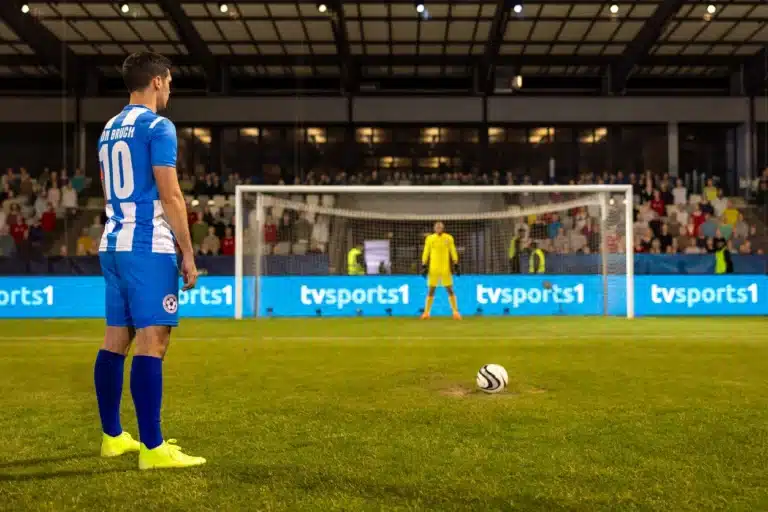
In sports, anxiety is a common feeling for many athletes. Although it is often called “nerves”, anxiety is a little different as it tends to have a more negative connotation about the possibility of bad future outcomes. Athletes who worry about worst-case scenarios and the “what ifs” during games are often going to experience many of the symptoms listed above, making it harder to perform well (and consistently). For example, a basketball player shooting crucial free throws at the end of a tie game may experience anxiety as they worry they may miss and let the team down to lose the game. This could cause doubt and negative thoughts in the mind and sweaty palms and tense muscles in the body.
Why Anxiety Exists in the First Place
Unfortunately, it is impossible to simply get rid of anxiety. Anxiety is a normal human feeling that often helps protect us in tricky situations. For example, it is important for a person to feel anxiety around crossing busy streets, as the fear of cars going by can help protect them from the dangers of incoming traffic. A student who has a big exam coming up can use the anxiety surrounding the approaching exam to jump start the act of studying.
How to Manage Anxiety in Sport
For athletes struggling with anxiety, the first part of helping manage it is to be aware of when and where it typically occurs. By getting in tune with your own mind and body and how anxiety manifests itself, you can then apply management strategies targeted at both the body and mind. The good news is that because our body and mind are so deeply connected, decreasing one aspect will in turn decrease the other! For example, a golfer who can utilize deep breathing strategies to help calm the body and ease tension will find it easier to focus and think positively before teeing off on a shot. One of the roles of a sport psychology consultant is to help athletes understand the anxiety they experience in sport and explain and teach different methods (for both the body and the mind) that the athlete can use to help manage it more effectively.
Frequently Asked Questions
What is anxiety?
In the simplest of terms, anxiety is just worry or fear about something that may happen. It can be so powerful because we experience it in both the mind and the body, from self-doubt, negative self-talk, and racing thoughts to faster breathing, increased heart rate, and muscle tension.
Is anxiety the same as nerves in sports?
Although it is often called "nerves", anxiety is a little different as it tends to have a more negative connotation about the possibility of bad future outcomes, such as worrying about worst-case scenarios and the "what ifs" during games.
Why does anxiety exist in the first place?
It is impossible to simply get rid of anxiety. Anxiety is a normal human feeling that often helps protect us in tricky situations, like the caution a person feels crossing a busy street or the push a student feels to start studying for a big exam.
How can athletes manage anxiety in sport?
The first part of managing anxiety is to be aware of when and where it typically occurs. By getting in tune with how anxiety manifests in your own mind and body, you can apply management strategies targeted at both. Because the body and mind are so deeply connected, decreasing one aspect will in turn decrease the other.
Working Through Performance Anxiety?
You don’t have to manage it on your own. Reach out to start building the tools that quiet the noise and help you compete with a clearer mind.
Schedule a Free Consultation