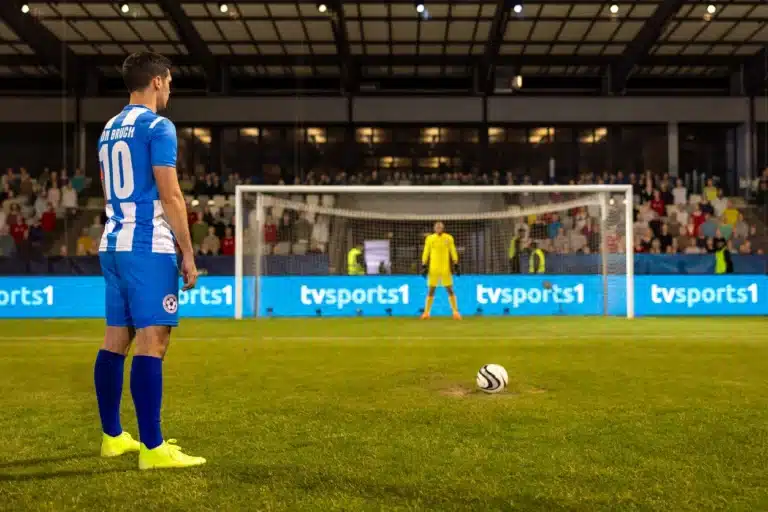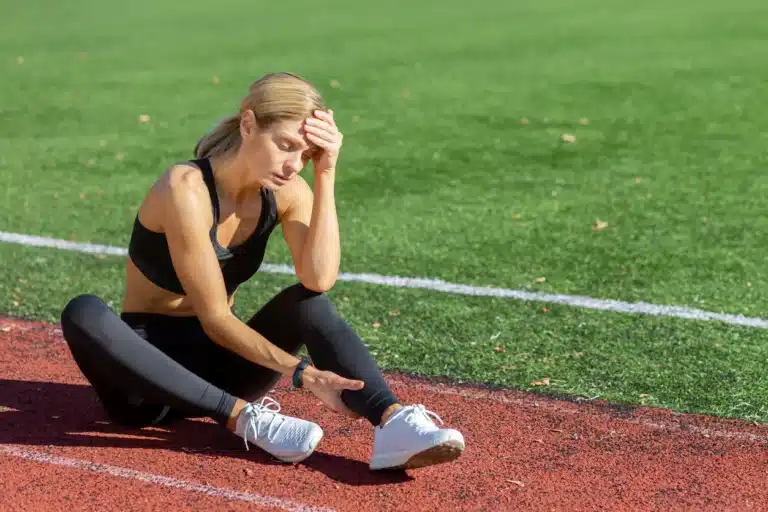
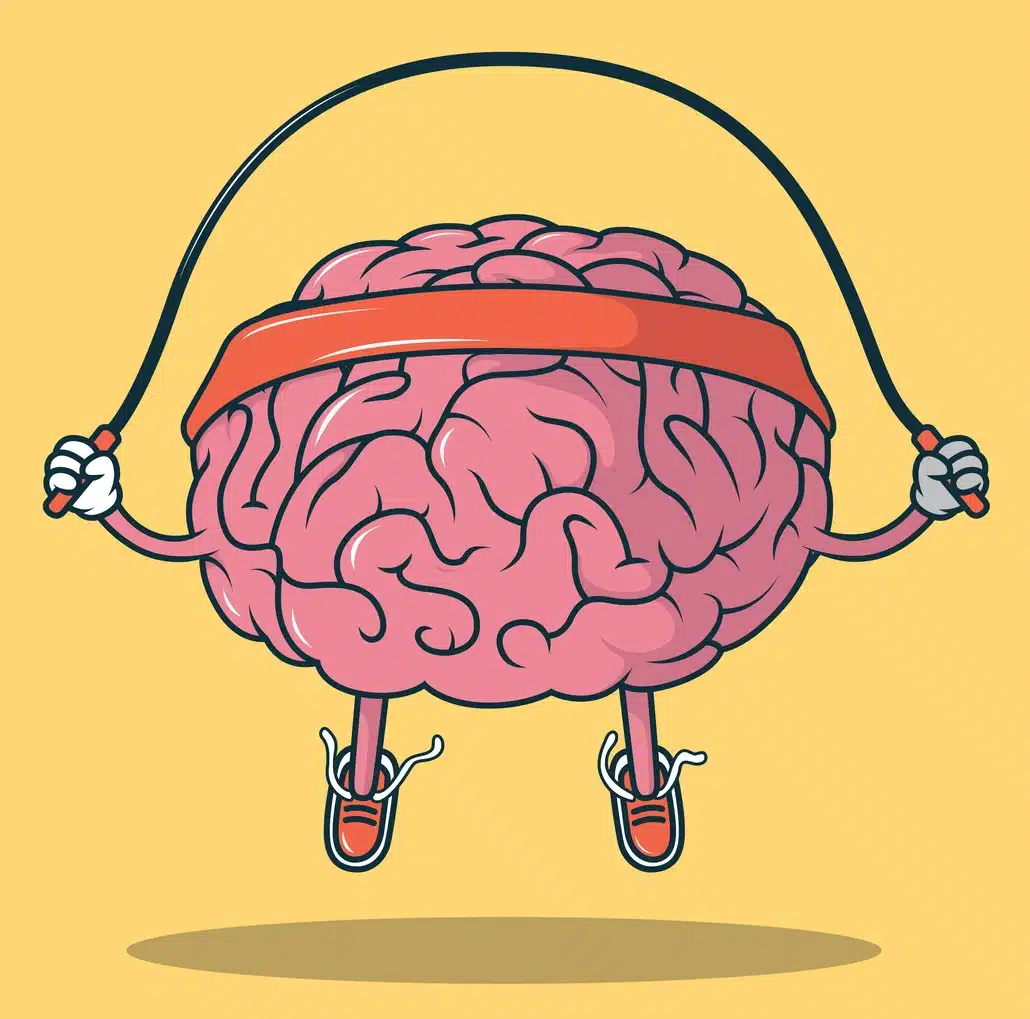
Broadly speaking, sport psychology is the study of how the mental processes of athletes affect participation and performance in sports and physical activities. Basically, learning sport psychology is learning how to use your brain to improve your ability to succeed on the field of play!
When I work with athletes and performers, my main goal is to help improve three inter-connected aspects of their sport: increasing enjoyment, improving performance, and enhancing overall well-being. If an athlete can find more enjoyment in the competition, improve the consistency of performances, and feel better overall about themselves, this generally leads to better outcomes on and off the field.
Sport Psychology Isn’t Just for Elite Athletes
An important fact to remember is that sport psychology is not just for elite athletes; in fact, athletes of all ages can benefit from the tools sport psychology can provide. This includes understanding and using skills like visualization, goal setting, anxiety management, pre-performance routines, breathing strategies, confidence building, and positive self-talk. My work over the last 15 years has largely focused on community athletes who compete in middle school, high school, and collegiate sport. I have also had the opportunity to work with performers in various other fields such as dance, music, theatre, dressage, twirling, and billiards.
Building Mental Skills Takes Practice
A common myth I sometimes come across is that some athletes are just mentally tougher than others. While there are certainly differences in personality and temperament between individuals, mental toughness can be learned and improved through the use of sport psychology skills. For example, a baseball player who is struggling at the plate can learn to manage nerves using deep breathing and a consistent pre-performance routine to help them feel more confident and focused in the box.
The key for any athlete or performer interested in sport psychology is to understand that it is not a quick fix solution. Like most things, improving your mental game requires regular and deliberate practice. Sport psychology must be practiced consistently for it to be effective. As an example, if you only study once per week for a difficult class that you are struggling in, will that vastly improve your grades? If you want to get stronger but only go to lift weights a few times a month, will you be able to effectively bulk up? The best way to think of working on sport psychology is to think of it as spending time training the mind, which takes practice like anything else.
The good news is that even spending just 10–15 minutes a day on sport psychology skills can be beneficial. This could be practicing imagery, working on attentional control, or going over a pre-performance routine. Time spent on the mental side of your sport is never going to be a waste of time!
Frequently Asked Questions
What is sport psychology?
Broadly speaking, sport psychology is the study of how the mental processes of athletes affect participation and performance in sports and physical activities. Learning sport psychology is learning how to use your brain to improve your ability to succeed on the field of play.
Is sport psychology just for elite athletes?
No. Sport psychology is not just for elite athletes; athletes of all ages can benefit from the tools it provides. This includes skills like visualization, goal setting, anxiety management, pre-performance routines, breathing strategies, confidence building, and positive self-talk.
Can mental toughness be learned?
Yes. While there are certainly differences in personality and temperament between individuals, mental toughness can be learned and improved through the use of sport psychology skills.
How much time does it take to work on sport psychology skills?
Improving your mental game requires regular and deliberate practice, but even spending just 10-15 minutes a day on sport psychology skills can be beneficial. This could be practicing imagery, working on attentional control, or going over a pre-performance routine.
Ready to Start Training the Mental Side of Your Game?
Whether you’re a youth, high school, or collegiate athlete, the work is built around where you are right now. Reach out to take the first step.
Schedule a Free Consultation